Kentucky
-

A night on the move: a mobile tour of UnlimLuck and modern online fun
First tap: arriving at a nimble lobby I remember my first session on a tiny screen, thumb hovering over icons while the kettle boiled; the experience felt built for that exact moment. The lobby loaded in a blink, tiles rearranged for portrait mode, and UnlimLuck’s categories sat neatly at the top — live, slots, jackpots,…
-
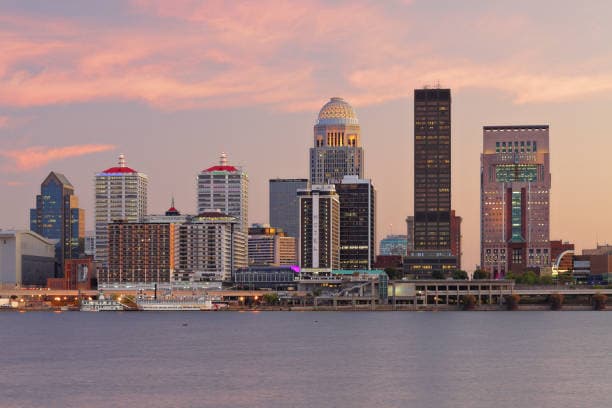
Kentucky’s Eerie Hillside Towns: Ghostly Discoveries
In the shadow of Kentucky’s ominous hills lies a world of mysterious towns whose narrow streets and abandoned houses seem to invite us on a journey through the shadows of the past. Under the cover of darkness and mystery, ghostly discoveries are revealed, shrouding the region in riddles and legends. We’ll travel deep into forgotten…
-
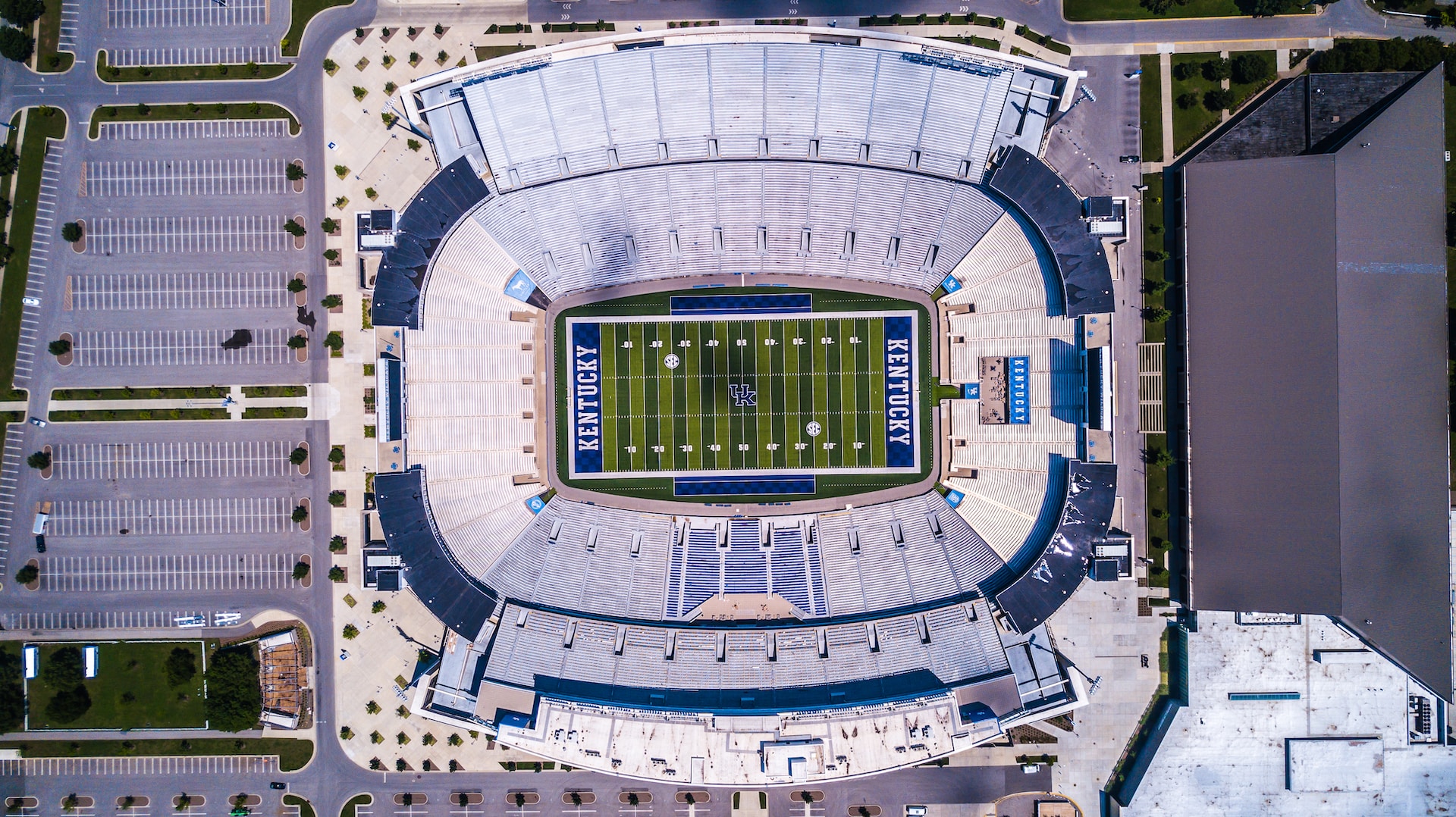
Kentucky’s Development and Economic Growth: A Promising Future
The state of Kentucky, located in the southeastern region of the United States, has been making significant strides in terms of its development and economic growth in recent years. With its rich history, diverse landscapes, and vibrant culture, Kentucky has managed to attract attention and investment, leading to a thriving economy that promises a bright…
-
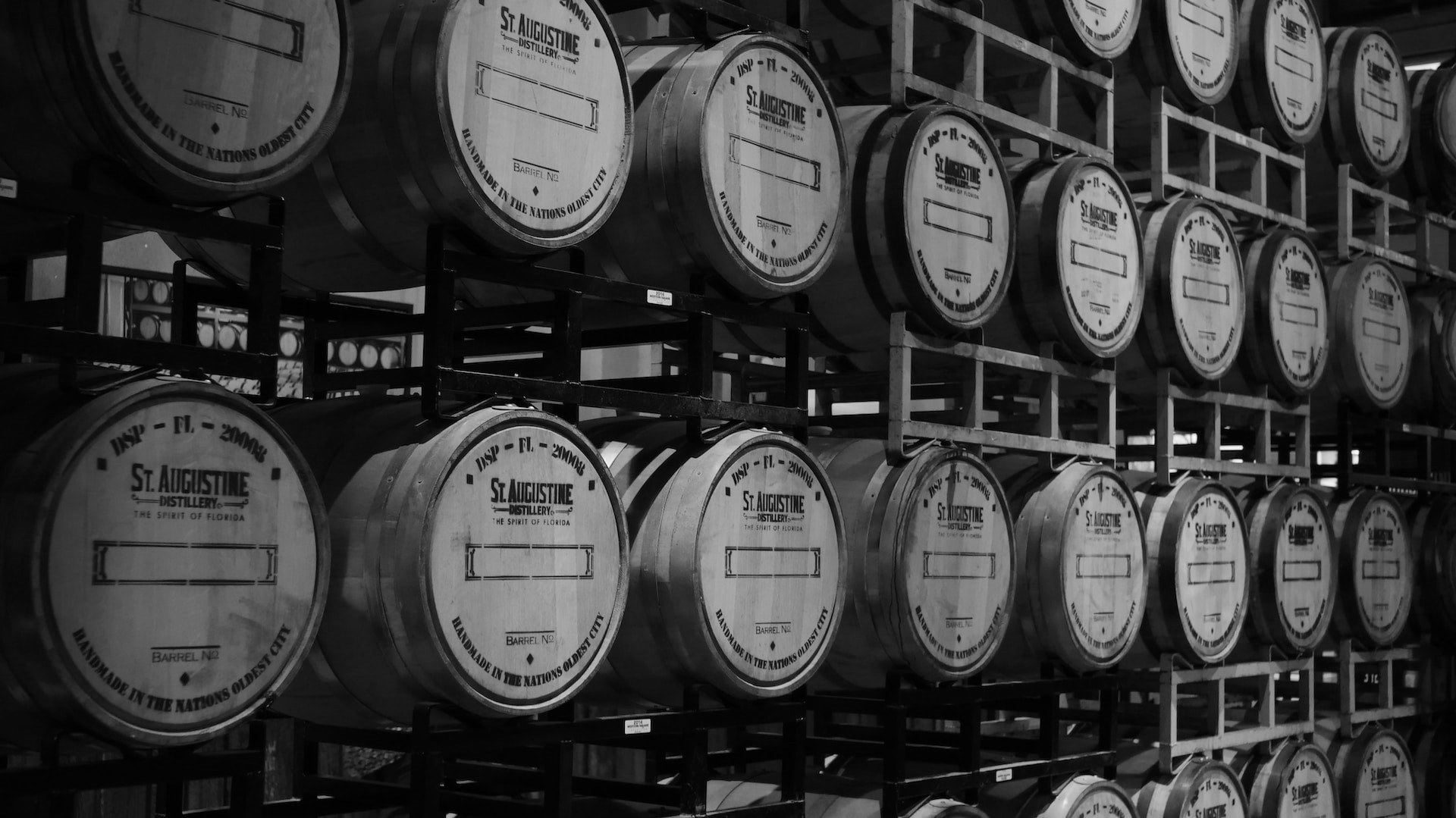
The Impact Of Bourbon Production On Kentucky’s Economy
Tourism is an important part of the state’s economy. Kentucky jokes, “Bourbon, horses, and cigars are what draws tourists to the “bluegrass state” (though, of course, besides bourbon and horse racing, Kentucky is also interesting for its unique natural sites, such as Mammoth Cave), as well as numerous historical sites.) Kentucky is the birthplace of…
-

More About The Economy
In 2003, Kentucky’s GDP was $129 billion. The state’s most important minerals include hard coal, natural gas, and oil. The state’s industry is concentrated along the Ohio River. Food processing, textiles, tobacco, machinery, iron and steel products, motor vehicles, electronics, furniture, shoes, liquor, and chemical plants are the most developed industries in the state. The…
-
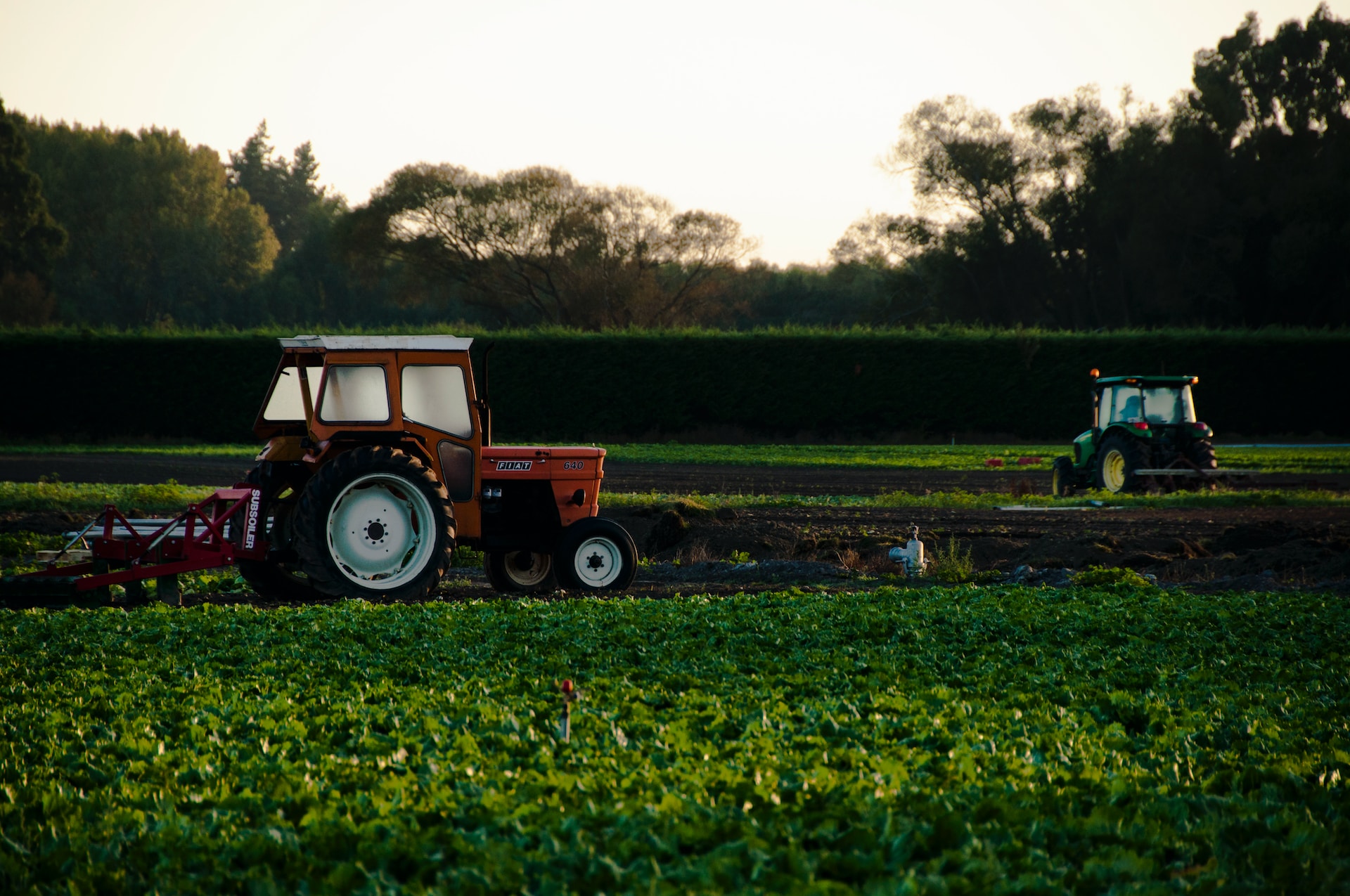
Agriculture, Forestry, and Fishing
Until the mid-20th century, Kentucky was considered an agricultural state. Since that time, other sectors have overtaken agriculture as the primary contributors to the state’s gross product. However, while the number of farms and the acreage devoted to agriculture have declined, average farm size has increased, and more than half of the state is still…
-

Transportation
Cincinnati/Northern Kentucky International AirportInterstate highways crisscross Kentucky from north to south and east to west. They are complemented by a system of parkways, U.S. highways and state highways that make traveling by car or truck relatively easy almost anywhere in the state. Rail lines connect all major cities for freight transportation. Large shipments are often…
-
Resources and power
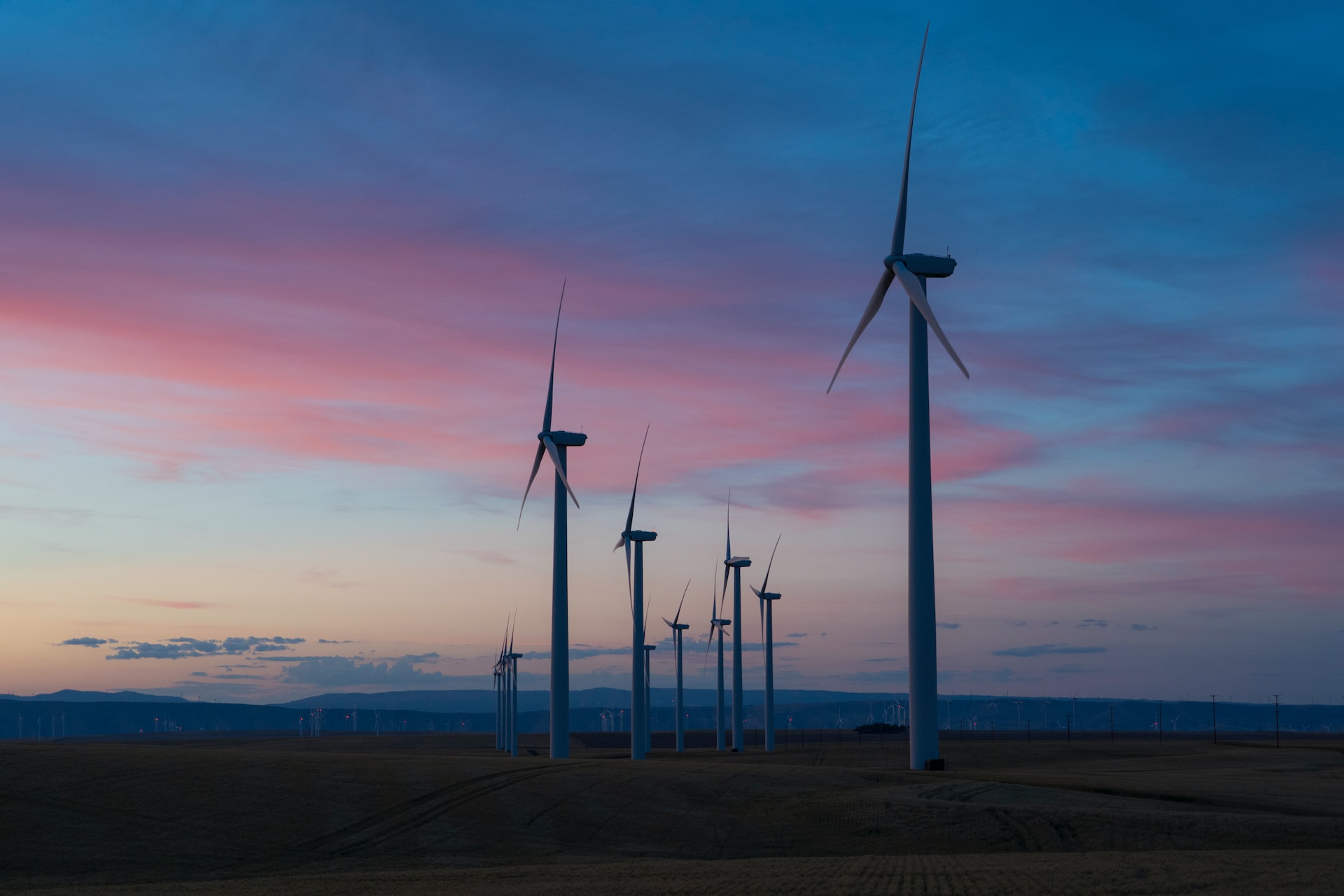
Kentucky’s vast reserves of bituminous coal have enabled it to remain one of the nation’s leading coal producers for many years. Coal is mined in the Western Coal Region and in the eastern Mountain Region. Western Coal produces a product with a high sulfur content that is used primarily for steam power generation and for…
-

Education
Kentucky’s first school was founded in Harrodstown (now Harrodsburg) in 1775. Education was free and compulsory for ages 7 to 16. State taxation to support education was first introduced in 1904. In 1990, the Kentucky General Assembly passed the Kentucky Education Reform Act (KERA), a landmark piece of legislation that primarily provided equal funding for…